Fintech Marketing Compliance in Luxembourg: Complete Guide for Regulated Growth
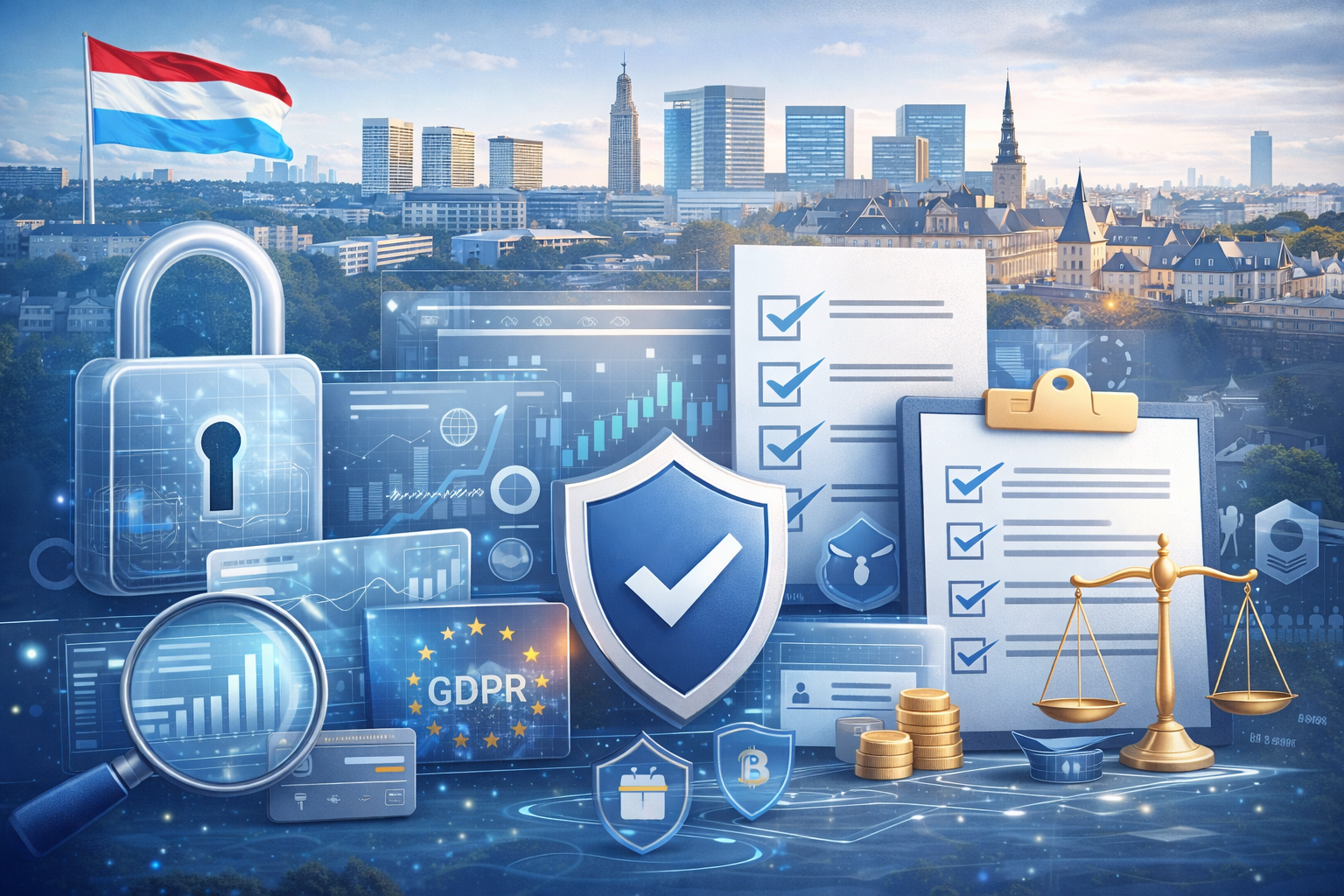
Fintech Marketing Compliance in Luxembourg: Complete Guide for Regulated Growth
Luxembourg has emerged as one of Europe’s leading hubs for fintech companies, digital payments, blockchain startups, and financial services innovation. However, marketing fintech products in Luxembourg requires strict adherence to financial marketing compliance regulations. Understanding Fintech Marketing Compliance in Luxembourg is essential for sustainable growth, brand trust, and regulatory approval.
This comprehensive guide explains everything fintech companies need to know about marketing compliance, regulatory frameworks, advertising rules, and best practices in Luxembourg.
Understanding Fintech Marketing Compliance in Luxembourg
Fintech marketing compliance refers to ensuring that all promotional, advertising, and communication activities follow the legal and regulatory guidelines set by Luxembourg authorities and EU regulators. These rules protect consumers, ensure transparency, and maintain financial system integrity.
In Luxembourg, fintech marketing is regulated by both national and European regulatory bodies, making compliance non-negotiable for fintech startups, payment institutions, crypto firms, and financial service providers.
Key Regulatory Authorities Governing Fintech Marketing
1. CSSF (Commission de Surveillance du Secteur Financier)
The CSSF is Luxembourg’s primary financial regulator. It oversees marketing communications for:
-
Payment institutions
-
Electronic money institutions
-
Investment firms
-
Crypto-asset service providers
All marketing material must be clear, fair, and not misleading, as per CSSF guidelines.
2. European Union Regulations
Luxembourg fintech marketing must also comply with EU-level laws such as:
-
MiFID II (investment and financial promotions)
-
PSD2 (payment services marketing)
-
AML & KYC regulations
-
GDPR (data protection and consent-based marketing)
Key Fintech Marketing Compliance Requirements
Transparent & Accurate Messaging
Marketing content must:
-
Clearly explain financial risks
-
Avoid exaggerated returns or misleading claims
-
Use plain language understandable to consumers
Disclosure & Risk Warnings
All fintech advertisements must include:
-
Proper risk disclosures
-
Regulatory status (licensed, registered, or authorized)
-
Product limitations and eligibility criteria
Data Protection & Consent
Under GDPR, fintech marketers must ensure:
-
Explicit user consent for marketing communications
-
Secure handling of personal and financial data
-
Transparent privacy policies and cookie usage
Digital Marketing & Advertising Compliance
Fintech companies using SEO, Google Ads, social media marketing, influencer marketing, or email campaigns must ensure compliance across all digital channels.
Key compliance considerations include:
-
No misleading keywords or ad copy
-
Clear landing page disclosures
-
Accurate comparison claims
-
Compliance-approved content for paid ads
This is especially critical for crypto marketing, blockchain services, and investment platforms, which face higher scrutiny.
Common Compliance Mistakes to Avoid
-
Making guaranteed profit claims
-
Using unapproved financial terminology
-
Publishing ads without legal review
-
Ignoring cross-border marketing rules
-
Non-compliant influencer partnerships
Avoiding these mistakes helps fintech brands maintain regulatory trust and long-term scalability in Luxembourg.
Best Practices for Fintech Marketing Compliance
-
Conduct regular compliance audits
-
Work with fintech legal & compliance experts
-
Maintain documentation for all campaigns
-
Train marketing teams on financial regulations
-
Align marketing strategy with regulatory updates
A compliance-first marketing approach strengthens brand credibility and improves conversion quality.
Why Fintech Marketing Compliance Matters for SEO & Growth
Search engines and AI-driven platforms increasingly prioritize trust, authority, and regulatory clarity. Compliant fintech websites are more likely to:
-
Rank higher in Google Search
-
Appear in Google AI Overview
-
Build investor and customer trust
-
Avoid penalties or ad account suspension
Conclusion
Fintech Marketing Compliance in Luxembourg is not a limitation—it’s a growth enabler. By aligning marketing strategies with CSSF guidelines, EU regulations, and GDPR standards, fintech companies can scale safely, attract quality customers, and establish long-term authority in the financial ecosystem.
A strong compliance framework ensures your fintech brand remains competitive, trustworthy, and future-ready in Luxembourg’s regulated financial market.
FAQs – Fintech Marketing Compliance Luxembourg
Q1. Is fintech marketing regulated in Luxembourg?
Yes, fintech marketing is regulated by the CSSF and EU financial authorities.
Q2. Do fintech ads require approval in Luxembourg?
In many cases, marketing content must align with approved disclosures and licensing conditions.
Q3. Does GDPR apply to fintech marketing?
Absolutely. All fintech marketing must follow GDPR consent and data protection rules.
-
Fintech Marketing Compliance Luxembourg
-
Fintech Regulations Luxembourg
-
CSSF Marketing Guidelines
-
Financial Advertising Compliance Luxembourg
-
Fintech Digital Marketing Regulations
-
Luxembourg Fintech Compliance
-
EU Fintech Marketing Laws
- Website Development services delhi ncr near me
- Google Expert In Greater Noida
- GMB SEO Expert in Noida – Rank Your Business in Top 3 on Google Maps
- GMB SEO Expert in Ghaziabad – Rank in Top 3 on Google Maps near me
- Boost Your Local Business with SEO in Noida, Greater Noida & Ghaziabad – SSB Digital India


Get In Touch
Centre Gaur Chowk, LG-35, Gaur City, West, Sector 4, Greater Noida, Uttar Pradesh 203207
+91 9315-814-211 | 8377014621 | 8377014691 | 7088091951
info@ssbdigitalindia.com
Quick Links
Home About Us Our Services Contact Us Privacy & Policy Refund & Cancellation Policy Terms and ConditionsPhoto Gallery